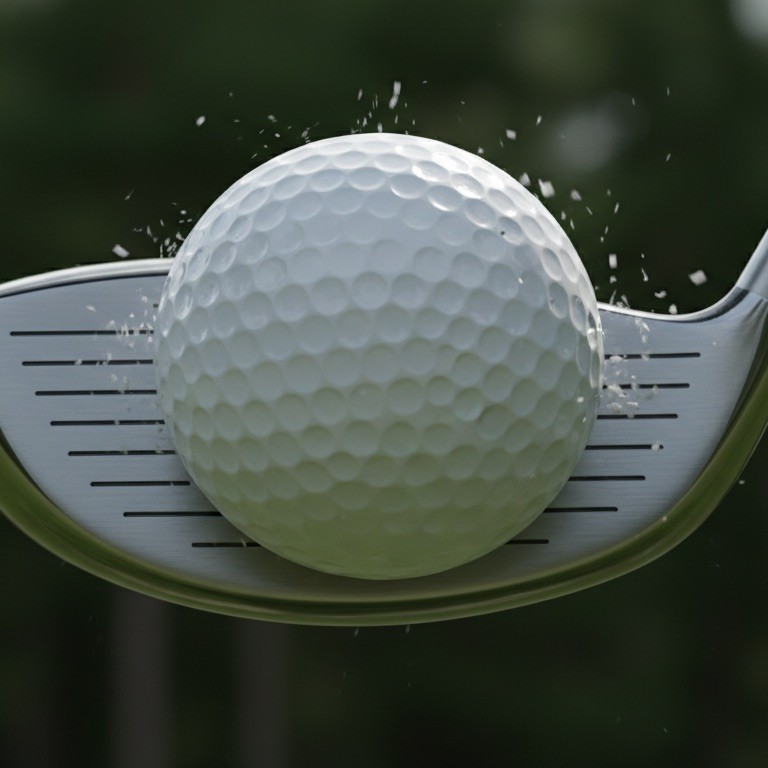
Golf ball compression, explained without the chart
Compression tells you how a golf ball feels, not how far it goes. Here is what the number actually measures and how much weight to give it.
Read the guide →
Urethane vs ionomer covers: what changes on the course
Cover material is the biggest single difference between golf balls. Here is what urethane and ionomer each do to spin, durability, and price.
Read the guide →
How to pick a golf ball for your swing speed
Swing speed matters when choosing a golf ball, but not for the reason most charts suggest. Here is what it actually changes.
Read the guide →
Best golf balls for a 15 handicap
A 15 handicap sits at the point where ball choice starts to matter. Here is how to decide between saving money and buying greenside spin.
Read the guide →
Pro V1 vs Chrome Tour: which one fits your game
Two premium urethane balls at nearly identical compression. Here is what actually separates the Titleist Pro V1 from the Callaway Chrome Tour.
Read the guide →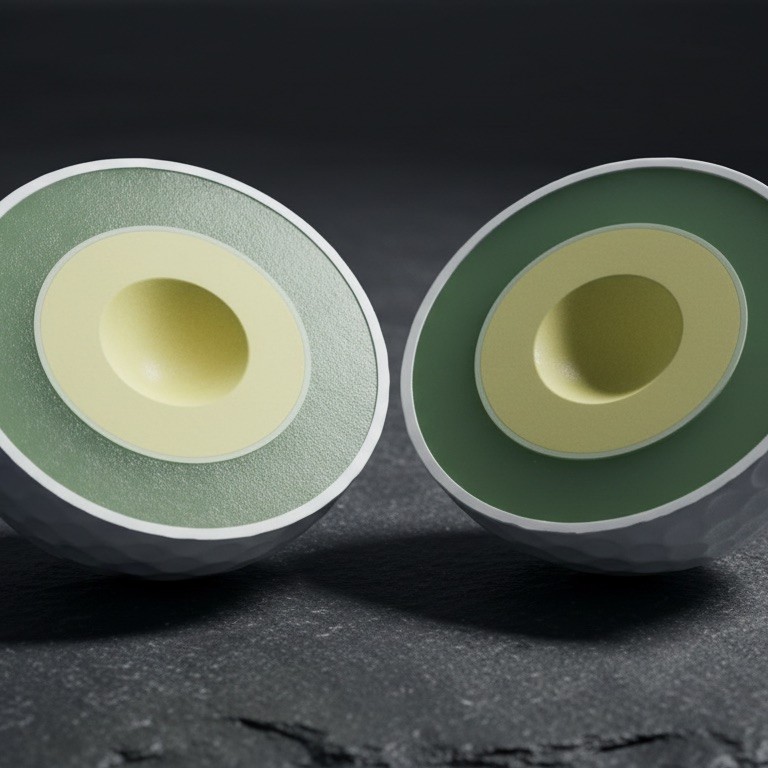
Two-piece, three-piece, five-piece: what golf ball layers do
Layer count changes how a golf ball behaves at different clubhead speeds. Here is what each construction does and who benefits.
Read the guide →
Do expensive golf balls help beginners?
Premium golf balls are built for a game most beginners are not playing yet. Here is where the money helps and where it goes to waste.
Read the guide →
Best golf balls for slower swing speeds
If you carry your driver under 200 yards, most tour ball engineering works against you. Here is what to play instead and why.
Read the guide →
Are Kirkland Signature golf balls worth it?
The Kirkland Signature V3 puts a urethane cover at a price no other brand matches. Here is who it fits and what the tradeoffs are.
Read the guide →
Golf ball spin explained: driver spin vs greenside spin
Spin is not one number. A golf ball can be low spin off the tee and high spin off a wedge, and the difference decides which ball fits you.
Read the guide →